
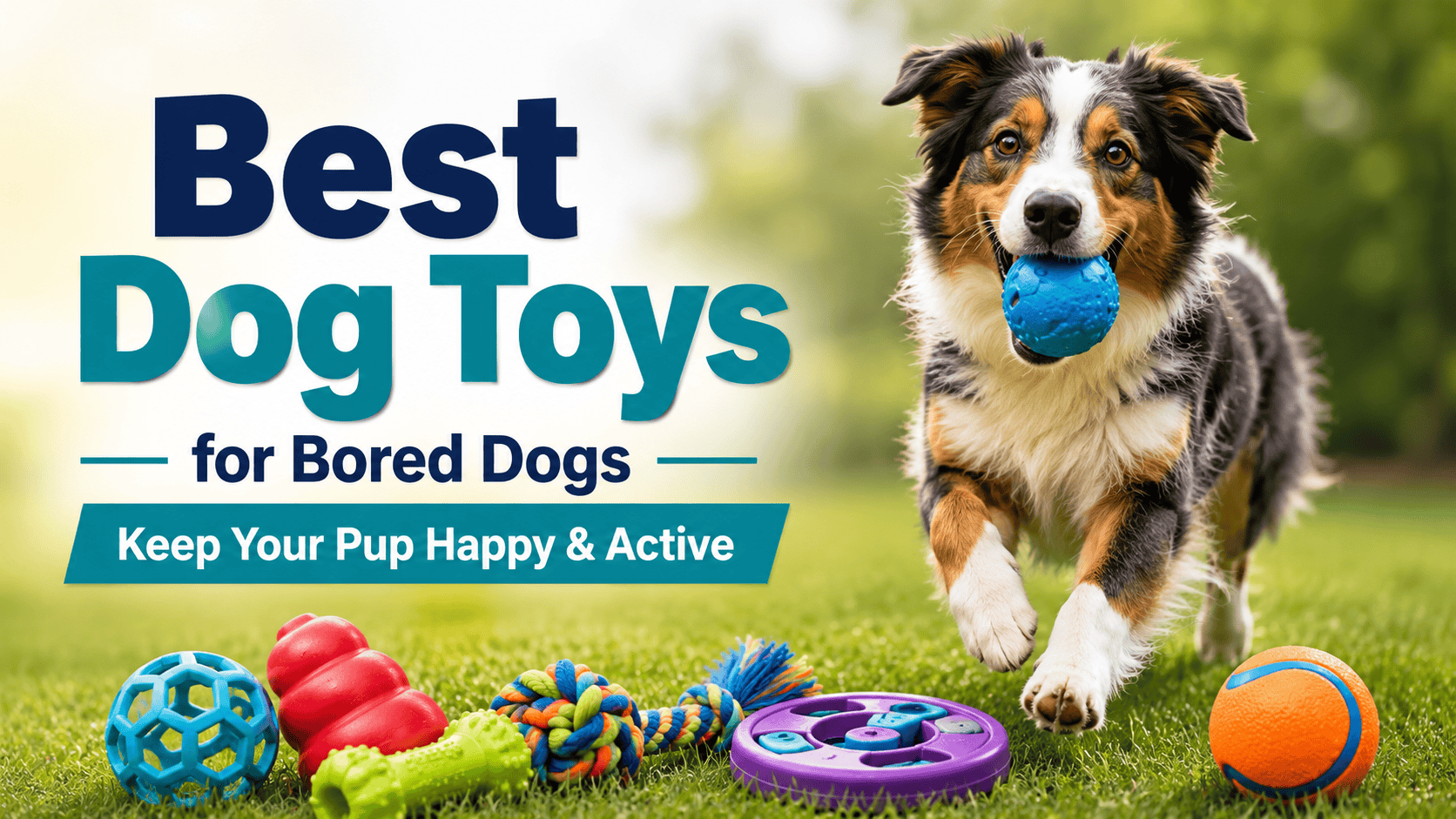
Best Dog Toys for Bored Dogs: Keep Your Pup Happy and Active
A bored dog can quickly become a destructive dog. Chewed shoes, scratched doors, digging, barking, and restless behaviour often happen when a dog has too much unused energy and not enough mental stimulation.
Dog toys are one of the easiest ways to add enrichment to your dog’s day. The right toys can encourage exercise, support healthy chewing, reduce boredom, help with training, and give your dog a positive outlet for natural behaviour.
This guide explains the best types of dog toys for bored dogs and how to choose toys that are safe, suitable, and worth adding to your dog’s routine.
Why Dogs Get Bored
Dogs are social, curious, active animals. Many breeds were originally developed to work, herd, retrieve, guard, chase, or problem-solve. Even relaxed family dogs still need regular stimulation.
Boredom may show up as chewing, whining, pacing, barking, jumping, digging, overexcitement, or attention-seeking behaviour. While toys are not a replacement for exercise, training, or companionship, they are a valuable part of a balanced routine.
1. Chew Toys for Dogs That Love to Chew
Chewing is natural. Puppies chew during teething, adult dogs chew to relax, and strong chewers often need durable options to keep them occupied.
Chew toys can help protect furniture and shoes by giving dogs something appropriate to chew. Look for tough rubber, durable nylon, rope-based toys, dental chews, and treat-holding chew toys.
When choosing chew toys, match the toy to your dog’s jaw strength. A small toy may be unsafe for a large dog, while an overly hard toy may not suit a puppy or senior dog.
2. Puzzle Toys for Mental Stimulation
Puzzle toys are excellent for dogs that need a mental challenge. These toys require dogs to push, roll, sniff, slide, lick, or paw at the toy to access food or treats.
Puzzle toys are useful for rainy days, apartment living, dogs recovering from injury, or dogs that need calming enrichment. They can also slow down fast eaters and make meals more interesting.
Popular puzzle options include treat balls, snuffle mats, lick mats, slow feeders, sliding puzzles, and interactive treat dispensers.
3. Fetch Toys for Active Dogs
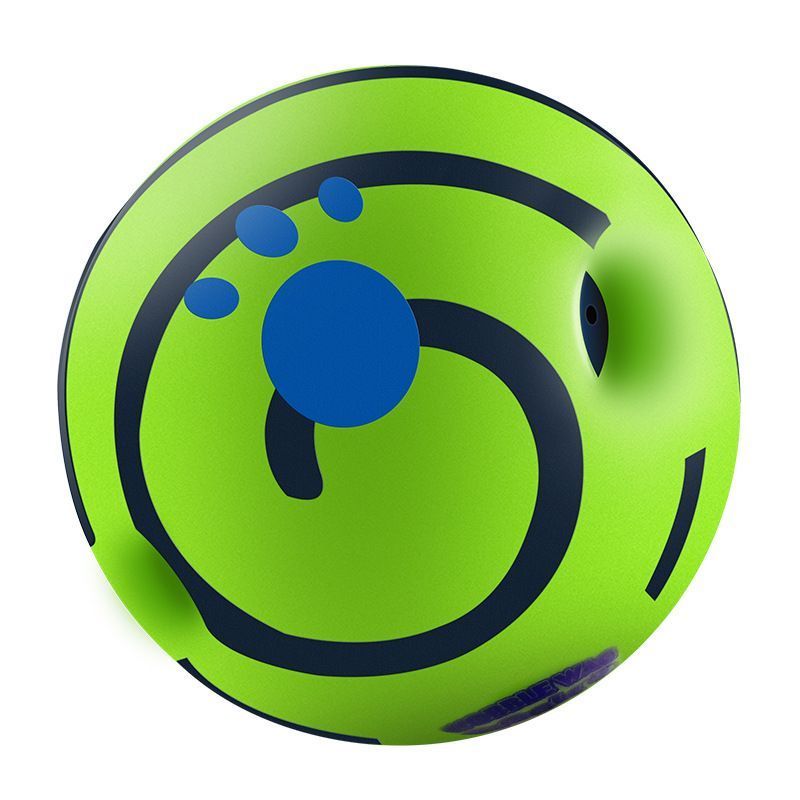
Fetch toys help dogs burn energy and practise recall. Balls, frisbees, launch toys, floating toys, and outdoor throw toys are great for active dogs.
If your dog loves the park, beach, or backyard, choose toys that are easy to see, easy to clean, and suitable for outdoor conditions. Floating toys are useful for water-loving dogs.
Fetch should be balanced with breaks, especially in hot weather or for dogs prone to overexcitement.
4. Tug Toys for Interactive Play
Tug toys are great for bonding and controlled play. Rope toys, rubber tug toys, and fabric tug toys can help dogs use energy while interacting with their owner.
Tug games can also support training when used with clear rules. Teach your dog to take, release, and wait so play remains safe and controlled.
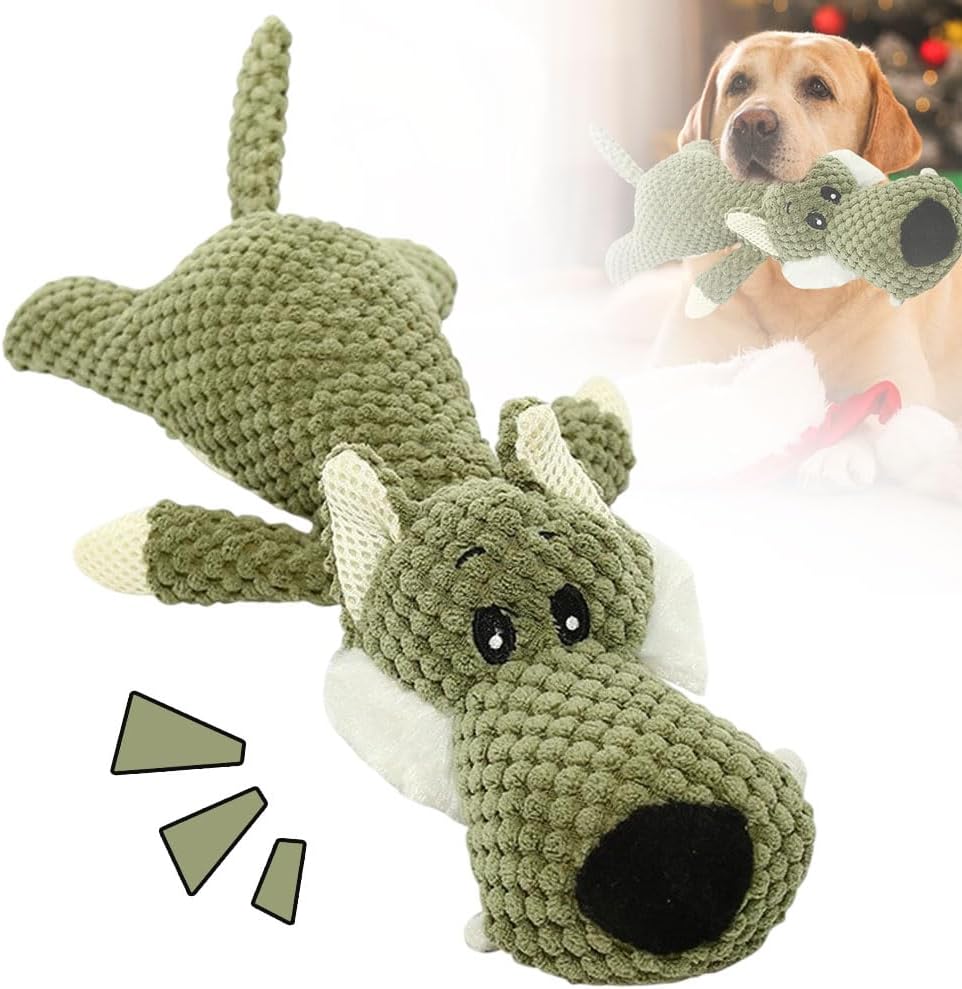
5. Soft Toys and Comfort Toys
Some dogs love carrying soft toys around, cuddling them, or using them as comfort objects. Plush toys can be ideal for gentle dogs, puppies, and dogs that enjoy soft textures.
For strong chewers, soft toys should be supervised and replaced if torn. Remove stuffing or squeakers if they become exposed.
6. Training Toys and Reward Toys
Toys can be powerful training rewards. Some dogs are more motivated by a ball or tug toy than by food. Reward toys can help with recall, focus, agility, impulse control, and confidence-building.
A favourite toy can be kept aside for training only, making it more exciting and valuable.
7. Choosing Toys by Dog Age
Puppies often need softer chew toys, teething toys, small plush toys, and gentle enrichment. Adult dogs may enjoy stronger chew toys, fetch toys, and puzzle feeders. Senior dogs may prefer softer textures, gentle puzzle toys, and comfort toys.
Always consider your dog’s teeth, mobility, and energy level.
8. Dog Toy Safety Tips
Choose toys that are the right size, do not break easily, and do not have small parts that can be swallowed. Check toys regularly and discard damaged ones.
Rotate toys every few days to keep them exciting. A small selection of toys at a time can be more effective than leaving every toy out permanently.
Final Thoughts
The best dog toys for bored dogs are the ones that match your dog’s size, play style, and energy level. Chew toys, puzzle toys, fetch toys, tug toys, and comfort toys all play different roles.
A good toy collection helps your dog stay happier, calmer, and more active at home.
FAQ
What is the best toy for a bored dog?
Puzzle toys, chew toys, and treat dispensers are excellent for boredom because they keep dogs mentally engaged.
How many toys should a dog have?
It helps to have a variety, but rotate them rather than leaving all toys out at once.
Are chew toys good for dogs?
Yes, when chosen safely. Chew toys can redirect natural chewing behaviour and help reduce boredom.
Start shopping now and looked at the below selected products


Add a review
Your email address will not be published. Required fields are marked *