The Ultimate Pet Supplies Checklist for New Pet Owners
Bringing home a new pet is exciting, but it is also a big responsibility. Whether you are adopting a puppy, kitten, fish, bird, rabbit, guinea pig, reptile, or starting your first beehive, having the right supplies ready before day one makes the transition much smoother.
Many new pet owners only think about food, but pets need more than meals. They need somewhere safe to sleep, products to support hygiene, items for play and enrichment, travel accessories, cleaning supplies, and species-specific equipment. A well-prepared home helps your pet feel secure and helps you avoid rushed last-minute shopping.
This complete pet supplies checklist covers the main products new owners should consider when setting up for almost any type of pet.
1. Food and Water Supplies
Food and water products are the foundation of daily pet care. Dogs and cats need appropriately sized bowls, water access, and food suited to their age, size, and activity level. Puppies, kittens, senior pets, and active breeds may all need different feeding routines.
For other animals, feeding setups can be more specialised. Fish need suitable food for their species. Reptiles may need feeding dishes, tongs, live food containers, calcium powder, or vitamin supplements. Birds often need seed cups, treat holders, mineral blocks, and foraging feeders. Rabbits and guinea pigs need hay racks, pellet bowls, and water bottles or bowls.
Useful feeding supplies include food bowls, slow feeders, water fountains, automatic feeders, feeding mats, hay racks, bird feeders, reptile dishes, fish food containers, bee feeders, and travel bowls.
2. Beds, Bedding and Resting Areas
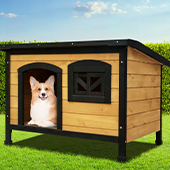
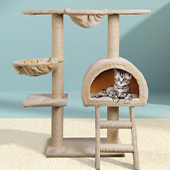
Every pet needs a comfortable place to rest. Dogs may need soft beds, crate mats, raised beds, cooling beds, or orthopaedic beds. Cats often enjoy cat caves, window beds, donut beds, hammocks, or elevated resting platforms.
Small animals need safe bedding, nesting materials, hideouts, and comfortable enclosure flooring. Reptiles need hides, basking areas, branches, and substrate suited to their species. Fish need a stable tank environment with plants, caves, and safe decorations. Bees need hive components that support colony structure and protection.
When buying a bed or habitat product, think about size, comfort, cleaning, durability, and long-term use. A puppy may grow quickly, while a senior dog may need extra joint support.
3. Habitats, Tanks, Cages and Enclosures
Some pets live mainly in your home, while others require a dedicated enclosure. Choosing the right habitat is one of the most important decisions for fish, reptiles, birds, rabbits, guinea pigs, hamsters, and bees.
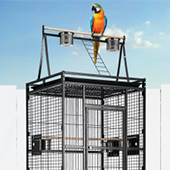
A proper habitat should provide enough space, ventilation, temperature control, access for cleaning, security, and enrichment. Fish tanks need filtration, lighting, water treatment, and maintenance tools. Reptile enclosures need heating, UV lighting, substrate, humidity control, hides, and décor. Bird cages need perches, food stations, toys, and cleaning liners.
Avoid choosing the smallest or cheapest option without checking your pet’s adult size and behaviour. A habitat that is too small can quickly become uncomfortable and difficult to maintain.
4. Toys and Enrichment Products
Toys are not just for fun. They support natural behaviour and help reduce boredom. Dogs need chew toys, balls, ropes, puzzle toys, fetch toys, and training rewards. Cats benefit from scratching posts, teaser wands, tunnels, climbing towers, interactive toys, and catnip toys.
Birds need toys for chewing, climbing, swinging, and foraging. Rabbits and guinea pigs enjoy chew toys, tunnels, hideouts, and activity toys. Fish benefit from aquarium plants, caves, ornaments, and safe hiding spots. Reptiles need habitat enrichment such as branches, rocks, hides, basking platforms, and climbing features.
A good rule is to choose toys that match your pet’s instincts: chewing, chasing, climbing, hiding, foraging, digging, swimming, scratching, or exploring.
5. Grooming and Cleaning Essentials
Grooming and cleaning supplies make pet ownership much easier. Dogs and cats often need brushes, combs, shampoos, conditioners, nail clippers, grooming wipes, ear cleaners, and towels. Long-haired pets may need detangling products or deshedding tools.
Small pets require bedding replacement, cage cleaners, odour control products, and waste removal tools. Fish tanks need gravel cleaners, algae scrapers, nets, water conditioners, filter media, and water testing kits. Reptile habitats need safe disinfectants, spare substrate, humidity gauges, and waste scoops.
Keeping your pet’s environment clean improves comfort and helps prevent odour buildup in the home.
6. Travel and Safety Products
Even pets that rarely leave the house may need travel equipment. Vet visits, moves, holidays, emergencies, and grooming appointments are easier when you already have the right products.
Dogs and cats may need carriers, harnesses, collars, leads, ID tags, car restraints, travel bowls, and portable beds. Small animals need secure transport carriers. Reptiles and fish may need temporary holding containers during enclosure cleaning or relocation.
Safety products can also include pet gates, crate accessories, non-slip mats, reflective gear, and first-aid basics.
7. Species-Specific Starter Checklists
A new dog setup may include bowls, bed, lead, collar, harness, toys, grooming tools, treats, waste bags, training pads, crate, and cleaning supplies.
A new cat setup may include food bowls, litter tray, litter, scoop, scratching post, cat bed, cat tree, toys, grooming brush, and carrier.
A new fish setup may include tank, filter, heater, thermometer, water conditioner, test kit, food, gravel, plants, decorations, net, and cleaning tools.
A new reptile setup may include terrarium, heating, UV lighting, thermostat, substrate, hides, food bowls, water dish, décor, thermometer, hygrometer, and cleaning supplies.
A new bird setup may include cage, perches, feeders, water station, toys, cage liners, mineral block, cleaning products, and transport carrier.
A beginner beekeeping setup may include hive, frames, smoker, protective suit, gloves, hive tool, bee brush, feeder, and storage supplies.
8. Buying Tips for New Pet Owners
Before buying, check product measurements, suitability, cleaning instructions, and material quality. Products should be safe for your pet’s size and species. Avoid small pieces that can be swallowed, weak materials that break easily, and habitats that are difficult to clean.
It is also useful to buy core essentials first, then add comfort and enrichment products as you learn your pet’s personality.
Final Thoughts
A prepared home helps your new pet settle in faster. The right supplies provide comfort, safety, hygiene, enrichment, and daily structure. Whether your pet has paws, fins, feathers, scales, or wings, a thoughtful setup gives them the best possible start.
FAQ
What should I buy before bringing home a new pet?
Start with food and water supplies, a bed or habitat, cleaning products, toys, grooming tools, and safe travel equipment.
Do all pets need toys?
Most pets benefit from enrichment. Toys, décor, scratching products, climbing spaces, hides, and foraging tools help support natural behaviour.
Should I buy everything at once?
Buy the essentials first, then add more products as you understand your pet’s habits, size, and preferences.
Begin Shopping Now….